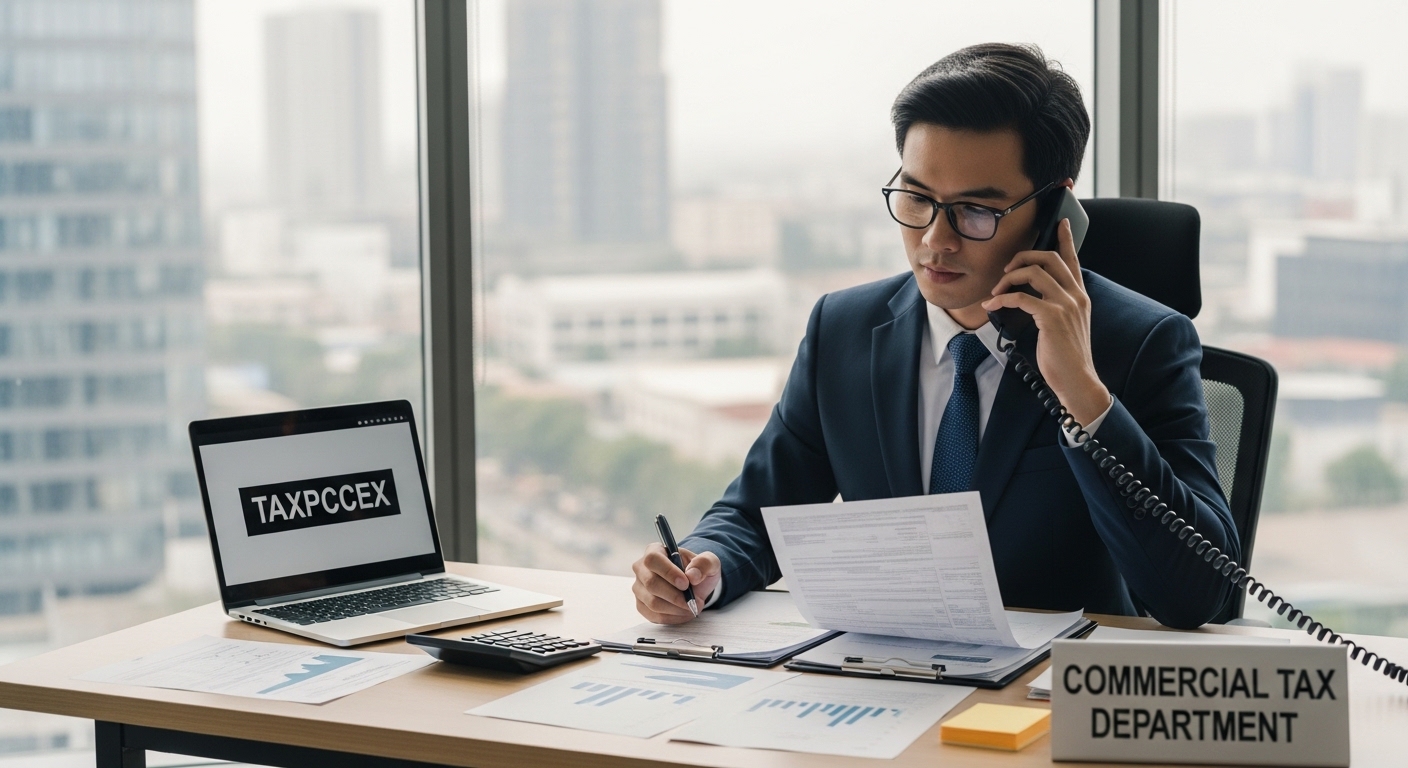
A commercial tax officer plays a vital role in ensuring compliance with taxation laws and regulations within the business sector. This position is essential for maintaining a transparent and efficient tax system, as it directly affects government revenue and corporate accountability. Commercial tax officers are responsible for monitoring tax returns, assessing liabilities, and conducting audits for businesses to ensure proper payment and reporting. Their work requires a deep understanding of tax laws, financial principles, and analytical skills to detect discrepancies or potential fraud. For those interested in finance, accounting, or public administration, the role of a commercial tax officer offers both professional challenges and opportunities to impact economic stability. The responsibilities, skills, career prospects, and challenges faced by commercial tax officers in today’s complex business environment.
Key Responsibilities of a Commercial Tax Officer
The primary responsibility of a commercial tax officer is to oversee the collection and administration of taxes for commercial enterprises. This includes reviewing tax returns, ensuring that businesses comply with applicable tax laws, and verifying financial statements for accuracy. They conduct regular audits to detect underreporting or mismanagement of taxes and may also investigate potential tax evasion cases. Beyond enforcement, commercial tax officers provide guidance to businesses on tax compliance, helping them understand legal obligations and optimize reporting practices. Their work requires careful attention to detail, as mistakes in tax assessment can lead to significant financial and legal consequences. By ensuring transparency and adherence to regulations, commercial tax officers play a crucial role in maintaining the integrity of the tax system and fostering trust between businesses and government authorities.
Essential Skills Required
A successful commercial tax officer must possess a combination of technical and interpersonal skills. Strong analytical abilities are necessary to review financial records and identify inconsistencies. Knowledge of accounting principles, tax laws, and business operations is essential for accurate assessments. Effective communication skills are also important, as commercial tax officers interact with business owners, accountants, and government officials to explain findings and provide guidance. Attention to detail, critical thinking, and problem-solving abilities help in managing complex cases and resolving disputes efficiently. Additionally, ethical judgment and integrity are vital, given the sensitive nature of financial information. Continuous learning and staying updated on changes in taxation laws further enhance a commercial tax officer’s effectiveness in performing their duties responsibly and professionally.
Career Path and Opportunities
A career as a commercial tax officer offers structured growth and professional advancement. Entry-level positions typically involve assisting in audits, reviewing tax filings, and gaining practical experience in compliance procedures. With experience, officers can progress to senior roles, handling complex audits, supervising teams, and providing strategic advice to businesses and regulatory authorities. Many commercial tax officers also have opportunities to specialize in areas such as corporate tax, indirect tax, or international taxation. Government agencies, revenue departments, and large accounting firms often recruit skilled professionals in this field. The role can also serve as a foundation for broader careers in finance, auditing, and regulatory compliance, offering long-term stability and professional recognition for those dedicated to maintaining tax integrity.
Challenges Faced by Commercial Tax Officers
While rewarding, the role of a commercial tax officer comes with challenges. Keeping up with frequent changes in tax legislation and regulatory policies requires constant learning and adaptability. Officers must often manage high workloads, tight deadlines, and complex audits that involve large volumes of financial data. Additionally, interactions with businesses under scrutiny can be sensitive, requiring tact and professionalism to maintain cooperation and compliance. Detecting sophisticated tax evasion or fraud demands critical thinking and persistence. Balancing enforcement with advisory responsibilities can also be challenging, as officers must ensure compliance without creating undue burdens on businesses. Despite these challenges, a commercial tax officer plays a crucial role in upholding the efficiency and fairness of the tax system.
Importance of Commercial Tax Officers in Economic Systems
Commercial tax officers contribute directly to a country’s economic stability by ensuring that businesses pay the taxes they owe. Proper tax collection supports public services, infrastructure, and social programs. By enforcing compliance, these officers create a level playing field for businesses, reducing unfair advantages and encouraging ethical practices. Their work also helps prevent financial crimes, such as fraud or money laundering, by monitoring and analyzing commercial financial activity. Moreover, commercial tax officers act as advisors, guiding companies on legal obligations and efficient reporting. This dual function of enforcement and support strengthens both the government’s revenue system and business confidence. Overall, the presence of competent commercial tax officers is critical for a transparent and robust economic environment.
Conclusion
A commercial tax officer plays a multifaceted role that combines enforcement, advisory, and analytical responsibilities. Their work ensures that businesses comply with tax laws, contributes to economic stability, and promotes transparency in financial reporting. Success in this career requires a mix of technical knowledge, analytical skills, ethical judgment, and effective communication. Despite challenges such as evolving regulations and complex audits, the profession offers opportunities for growth, specialization, and significant impact on public finance. Understanding the responsibilities and importance of commercial tax officers highlights why they are indispensable to both government agencies and the business community.