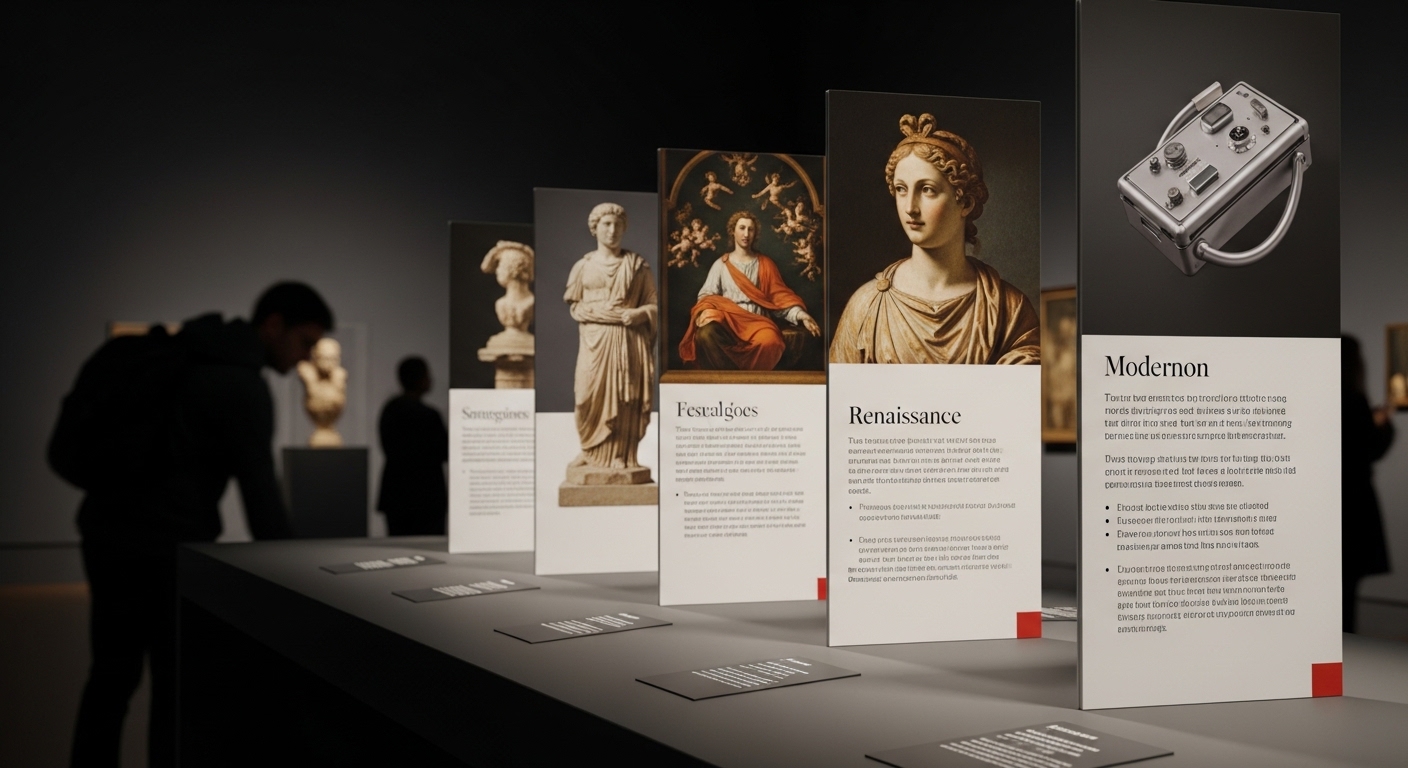
Museum explanation cards play a crucial role in bridging the gap between exhibits and visitors, offering essential context that enriches the viewing experience. These cards provide concise, clear, and informative descriptions of artworks, historical artifacts, scientific specimens, or cultural displays. By presenting key details in an accessible format, they allow visitors to understand the significance, origin, and background of what they are observing. Well-designed museum explanation cards can transform a simple visual encounter into an engaging educational experience, appealing to diverse audiences including students, tourists, and casual visitors. Their strategic use supports learning, curiosity, and appreciation, making them an indispensable tool for any museum or gallery.
Purpose of Museum Explanation Cards
The primary purpose of museum explanation cards is to communicate information efficiently and effectively. Each card typically highlights the object’s name, date, creator, materials, and a brief narrative about its importance or historical context. These cards help visitors grasp complex concepts or cultural references without overwhelming them with lengthy text. By condensing essential information into readable snippets, explanation cards accommodate varying levels of prior knowledge. This makes them especially valuable in museums with diverse audiences, ensuring everyone can engage meaningfully with exhibits. The cards also guide visitors through thematic displays or chronological arrangements, providing structure and encouraging exploration. Overall, they serve as both educational and interpretive tools that enhance comprehension and engagement.
Design and Layout Considerations
Effective museum explanation cards rely heavily on thoughtful design and layout. The text must be legible, concise, and structured to highlight key points, often using headings, bullet points, or short paragraphs. Typography, font size, and contrast are essential to ensure readability from different distances. Visual elements, such as small illustrations or icons, can complement the text and draw attention to important features. The size and placement of the cards are also critical, balancing accessibility with aesthetics so they do not distract from the exhibit. Good design ensures that museum explanation cards are intuitive, appealing, and helpful, allowing visitors to absorb information effortlessly while maintaining focus on the artifact itself.
Role in Education and Interpretation
Museum explanation cards serve as vital educational tools, enabling visitors to learn independently while exploring exhibits. They provide context that fosters deeper understanding, connecting artifacts to historical events, scientific principles, or cultural practices. Teachers and students often use these cards to supplement classroom learning, while casual visitors benefit from the added narrative that makes exhibits memorable. Explanation cards also encourage curiosity, prompting questions and discussions that extend beyond the museum walls. By presenting information in clear, digestible formats, they make complex or unfamiliar subjects approachable. Their interpretive role transforms passive observation into active learning, making museums not only spaces for viewing but for meaningful engagement.
Accessibility and Inclusivity in Explanation Cards
Creating museum explanation cards with accessibility and inclusivity in mind is essential for serving diverse audiences. Text should be easy to read, avoiding jargon or overly technical language, and translations can accommodate visitors from different linguistic backgrounds. Some institutions incorporate braille, audio descriptions, or QR codes linking to online content for visually impaired or hearing-impaired visitors. Inclusive content ensures that all audiences, regardless of age, background, or ability, can access and appreciate the information. By prioritizing accessibility, museums uphold their educational mission and foster a welcoming environment, demonstrating that learning and cultural appreciation should be available to everyone.
Digital Integration and Modern Innovations
In the digital age, museum explanation cards are increasingly integrated with technology to enhance visitor interaction. QR codes, augmented reality features, and mobile apps allow users to access extended content, videos, or interactive experiences that complement the physical cards. This hybrid approach combines the tactile familiarity of traditional cards with the richness of digital media, catering to a generation accustomed to technology. Digital integration also enables updates and multilingual options without replacing physical cards, making museums more dynamic and responsive. By blending traditional and modern methods, explanation cards evolve to meet contemporary visitor expectations while maintaining their core role in education and interpretation.
Conclusion
Museum explanation cards are essential tools that transform exhibits into accessible, engaging, and educational experiences. They communicate key information, provide context, and guide visitors through complex collections, making learning enjoyable and meaningful. Thoughtful design, accessibility, and integration with digital innovations ensure these cards remain relevant and effective in modern museum environments. By enhancing interpretation and supporting independent exploration, museum explanation cards continue to enrich cultural understanding and foster curiosity across audiences of all ages.