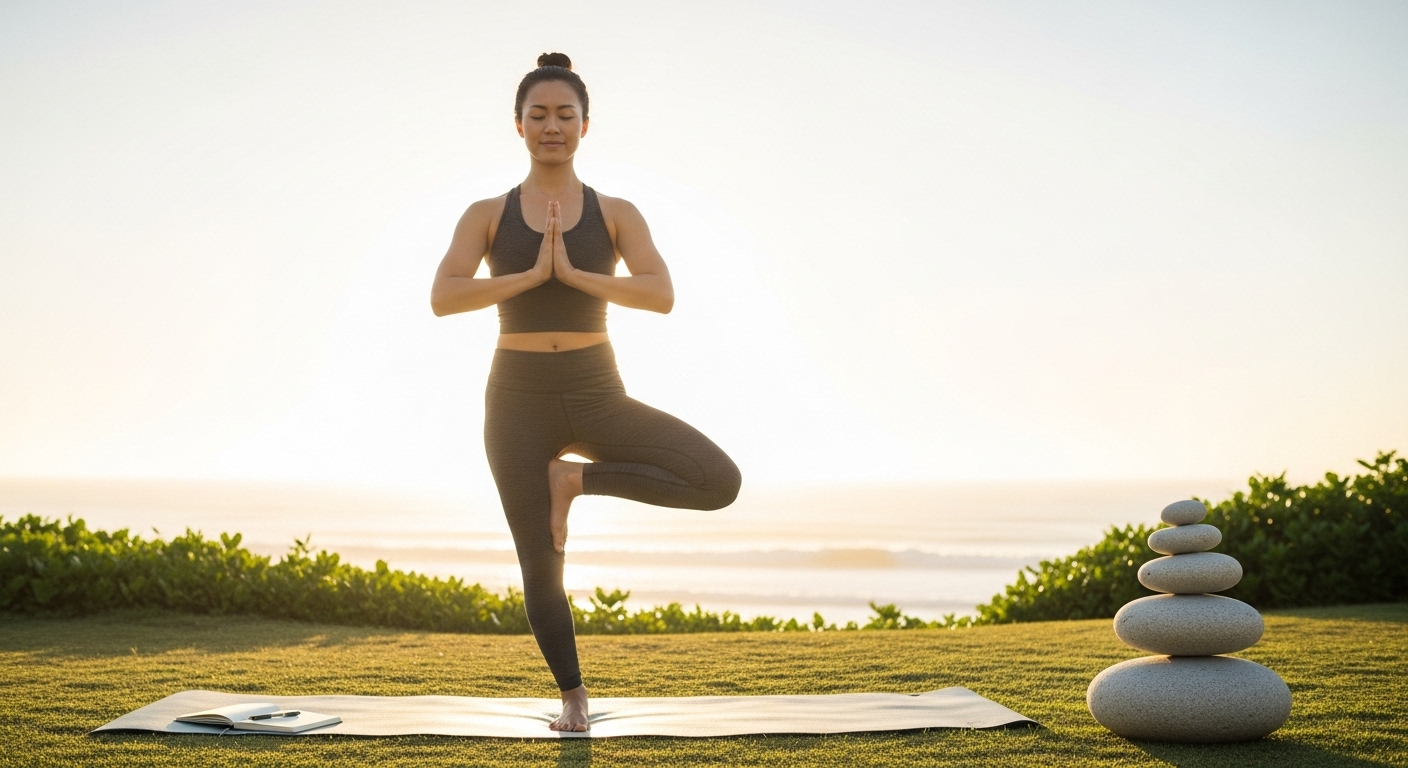
In a fast-paced world filled with constant distractions, the concepts of yoga and discipline have become more relevant than ever. Yoga is not only a physical practice but a holistic system that nurtures mental clarity, emotional balance, and inner strength. Discipline, on the other hand, provides the structure and commitment needed to sustain positive habits over time. When combined, yoga and discipline create a powerful foundation for personal growth, well-being, and long-term success. Together, they encourage individuals to live with intention, balance, and resilience.
Understanding the Connection Between Yoga and Discipline
Yoga and discipline are deeply interconnected, as both emphasize consistency and self-awareness. Yoga teaches individuals to be present in the moment while respecting the limits of the body and mind. Discipline supports this process by encouraging regular practice and mindful effort. Without discipline, yoga remains an occasional activity, but with discipline, it becomes a lifestyle. This connection helps practitioners develop patience, focus, and a deeper understanding of themselves through steady commitment.
How Yoga Cultivates Self-Discipline
Regular yoga practice naturally builds self-discipline by encouraging routine and mindful repetition. Showing up on the mat each day, even when motivation is low, strengthens mental resolve. Yoga postures and breathing techniques require control, focus, and persistence, all of which reinforce disciplined behavior. Over time, practitioners begin to carry this discipline beyond yoga sessions into daily life, improving time management, decision-making, and emotional control.
Mental Discipline Through Yogic Practices
Yoga is widely known for its physical benefits, but its impact on mental discipline is equally significant. Techniques such as controlled breathing and meditation train the mind to remain calm and attentive. This mental training reduces impulsive reactions and enhances concentration. As the mind becomes more disciplined, individuals find it easier to manage stress, maintain clarity under pressure, and respond thoughtfully to challenges rather than reacting emotionally.
Physical Discipline and Body Awareness
Physical discipline is an essential aspect of yoga, as each movement requires awareness, alignment, and patience. Unlike high-intensity workouts, yoga emphasizes controlled progress rather than quick results. This approach teaches respect for the body’s limits while encouraging gradual improvement. Practicing yoga with discipline helps individuals develop consistency in physical activity, leading to better posture, flexibility, strength, and overall physical health.
Yoga and Discipline in Daily Life
The principles learned through yoga and discipline extend naturally into everyday routines. Practitioners often become more mindful of their habits, including sleep patterns, nutrition, and communication. Discipline learned on the mat supports healthier lifestyle choices and improved self-control. Yoga encourages balance rather than extremes, helping individuals maintain discipline without rigidity. This balance allows for sustainable personal growth and long-term well-being.
Emotional Stability Through Disciplined Yoga Practice
Emotional balance is another key benefit of combining yoga and discipline. Consistent practice helps individuals observe emotions without being overwhelmed by them. Discipline creates emotional resilience by encouraging reflection rather than avoidance. Over time, yoga practitioners develop greater emotional intelligence, allowing them to handle relationships and responsibilities with patience and understanding. This emotional stability contributes to a more harmonious personal and professional life.
The Role of Discipline in Long-Term Yoga Growth
Progress in yoga is gradual and requires long-term commitment. Discipline ensures that practitioners remain dedicated even when immediate results are not visible. This steady approach builds trust in the process and encourages continuous learning. Over time, disciplined yoga practice deepens flexibility, strength, and inner awareness. It also reinforces the idea that meaningful growth is achieved through persistence rather than shortcuts.
Conclusion.
Yoga and discipline together form a powerful pathway toward a balanced and purposeful life. Yoga provides the tools for self-awareness, physical health, and mental clarity, while discipline ensures consistency and commitment. When practiced together, they help individuals develop resilience, focus, and inner peace. By integrating yoga and discipline into daily life, people can cultivate lasting well-being and approach life’s challenges with confidence, balance, and mindfulness.