In a world that moves quickly and demands constant attention, anxiety has become a common experience for many people. While professional support is essential for managing severe symptoms, everyday tools can also play a valuable role in reducing stress and promoting calm. The anxiety pen is one such tool that has gained attention for its portable design and simple approach to self-regulation. Designed to be used discreetly in moments of tension, this device aims to help individuals focus, breathe, and regain a sense of control. What an anxiety pen is, how it works, its benefits, and how it can fit into a broader strategy for emotional well-being.
What Is an Anxiety Pen and How Does It Work?
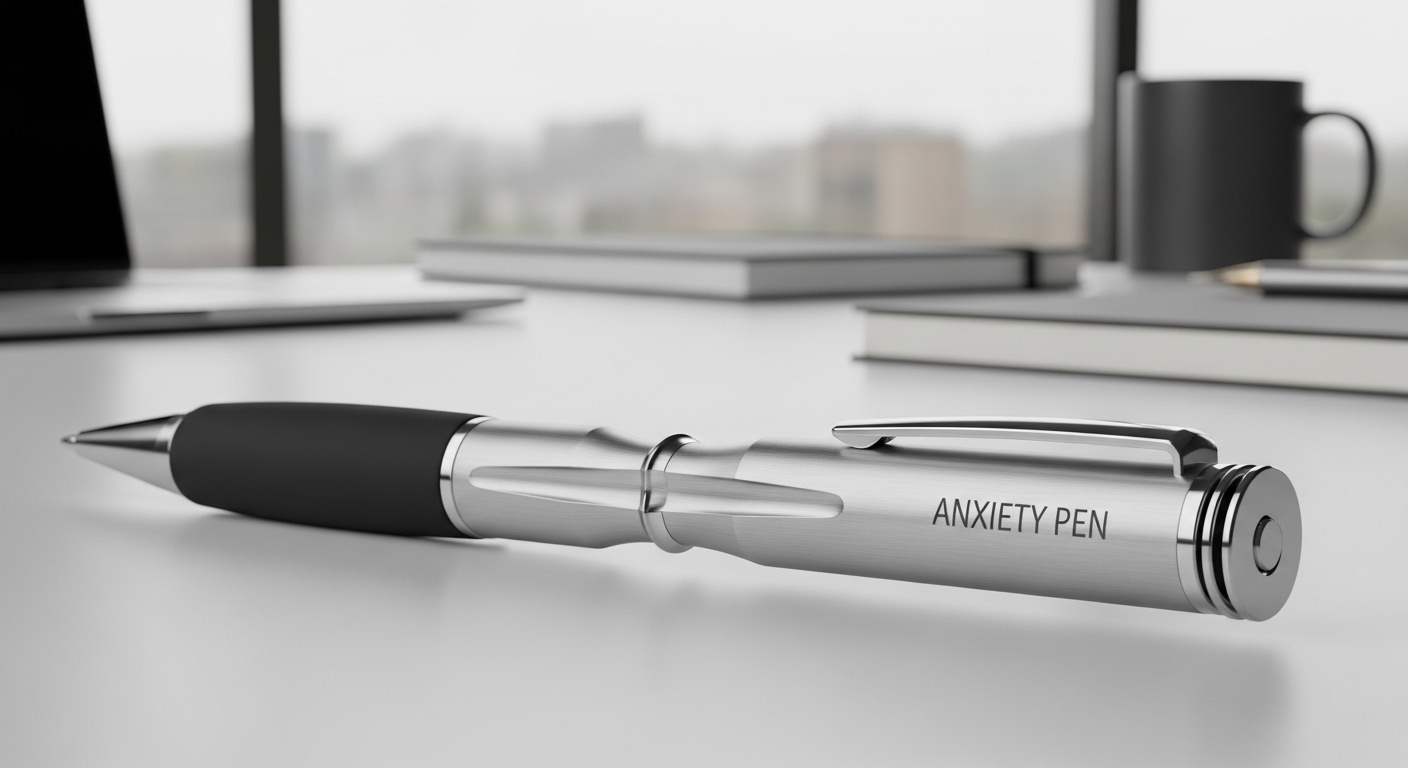
An anxiety pen is a compact, handheld device intended to support stress relief through sensory engagement and mindful focus. It is often designed with features that encourage slow, controlled breathing or provide tactile stimulation to redirect attention away from anxious thoughts. Some versions incorporate fidget elements, smooth surfaces, or gentle resistance that can help users stay grounded during moments of overwhelm. The primary goal of the anxiety pen is not to replace therapy or medical treatment, but to offer a practical tool for managing mild to moderate stress in daily situations. By using the pen, individuals can create a small ritual that promotes calmness and mental clarity. Its discreet form makes it suitable for use at work, school, or while commuting, allowing users to practice self-regulation without drawing attention. The effectiveness of the anxiety pen depends largely on consistent use and combining it with broader coping strategies.
The Benefits of Using an Anxiety Pen
The benefits of an anxiety pen lie in its simplicity and portability. When stress levels rise, the body often reacts with fast breathing, racing thoughts, and physical tension. Using an anxiety pen can help slow down these responses by encouraging deliberate focus and controlled breathing. The tactile nature of the device provides a sensory anchor that can reduce the intensity of anxious feelings. This can be especially useful in situations where immediate relief is needed, such as before presentations, during stressful meetings, or while dealing with social pressure. Additionally, the act of using a tool can create a sense of agency, reminding individuals that they have a method to cope in the moment. For some users, the anxiety pen becomes part of a personal routine that signals the brain to shift from stress mode to a calmer state. While results vary from person to person, many people find that the pen supports better emotional regulation and improved concentration during challenging moments.
How to Use an Anxiety Pen Effectively
To get the most from an anxiety pen, it is important to use it intentionally and with a simple plan. Begin by identifying moments when stress typically increases, such as during deadlines or crowded environments. When you notice anxiety building, take a brief pause and hold the pen in your hand. Focus on the sensations it provides, whether through movement, texture, or breathing cues. A useful approach is to pair the pen with slow breathing exercises, inhaling for a count of four and exhaling for a count of six. This helps activate the body’s natural relaxation response. The key is to use the pen consistently rather than sporadically, so it becomes a familiar tool for emotional regulation. It can also be helpful to set small goals, such as using the pen for five minutes during a stressful event. Over time, the pen can become a reliable anchor that supports calm thinking and improved focus. Combining its use with other self-care practices enhances overall effectiveness.
Choosing the Right Anxiety Pen for Your Needs
Selecting the right anxiety pen depends on personal preference and how you respond to sensory tools. Some people prefer pens with smooth, weighted designs that feel comforting in the hand, while others may benefit from pens with tactile ridges or rotating components. Consider the environments where you plan to use the pen. If you need discretion, choose a design that looks like a regular writing instrument. If you are seeking stronger sensory stimulation, a pen with fidget elements may be more suitable. It is also important to look for durable materials and a comfortable grip, especially if you plan to use the pen frequently. Reading user reviews and trying different styles can help you find the most effective option. Ultimately, the best anxiety pen is one that feels natural to hold and encourages a calming focus when stress arises.
Integrating an Anxiety Pen into a Broader Stress Management Strategy
While an anxiety pen can be helpful for immediate relief, it works best when integrated into a broader strategy for managing stress and anxiety. Regular physical activity, sufficient sleep, and a balanced diet all support emotional resilience. Mindfulness practices, such as meditation or gentle stretching, can complement the pen’s calming effects. It is also beneficial to build a routine that includes moments of quiet and reflection, especially during busy days. For individuals experiencing persistent or severe anxiety, professional support from a therapist or medical professional is essential. The anxiety pen can still be a useful supplementary tool, but it should not replace expert care. By combining the pen with healthy lifestyle habits and professional guidance when needed, individuals can develop a more comprehensive approach to emotional well-being and long-term stress management.
When to Seek Professional Help Beyond an Anxiety Pen
Anxiety pens are designed for mild to moderate stress, but they are not a solution for more serious mental health concerns. If anxiety becomes overwhelming, persistent, or interferes with daily functioning, it may be time to seek professional support. Signs that professional help is needed include frequent panic attacks, constant worry, sleep disturbances, or avoidance of social situations. A mental health professional can provide tailored strategies, therapy, or medical advice to address underlying causes. The anxiety pen can still play a role in supporting coping between sessions, but professional guidance ensures a comprehensive treatment plan. Recognizing when additional support is needed is an important step in maintaining emotional health. It shows strength and commitment to long-term well-being rather than relying solely on self-help tools.
Conclusion
An anxiety pen offers a simple and portable way to manage everyday stress through sensory focus and mindful breathing. While it is not a replacement for professional care, it can be a helpful tool for creating moments of calm during busy or challenging situations. By choosing the right design and using the pen consistently, individuals can improve emotional regulation and enhance concentration. When combined with healthy habits and professional support when needed, the anxiety pen becomes part of a balanced strategy for managing anxiety and promoting long-term well-being.