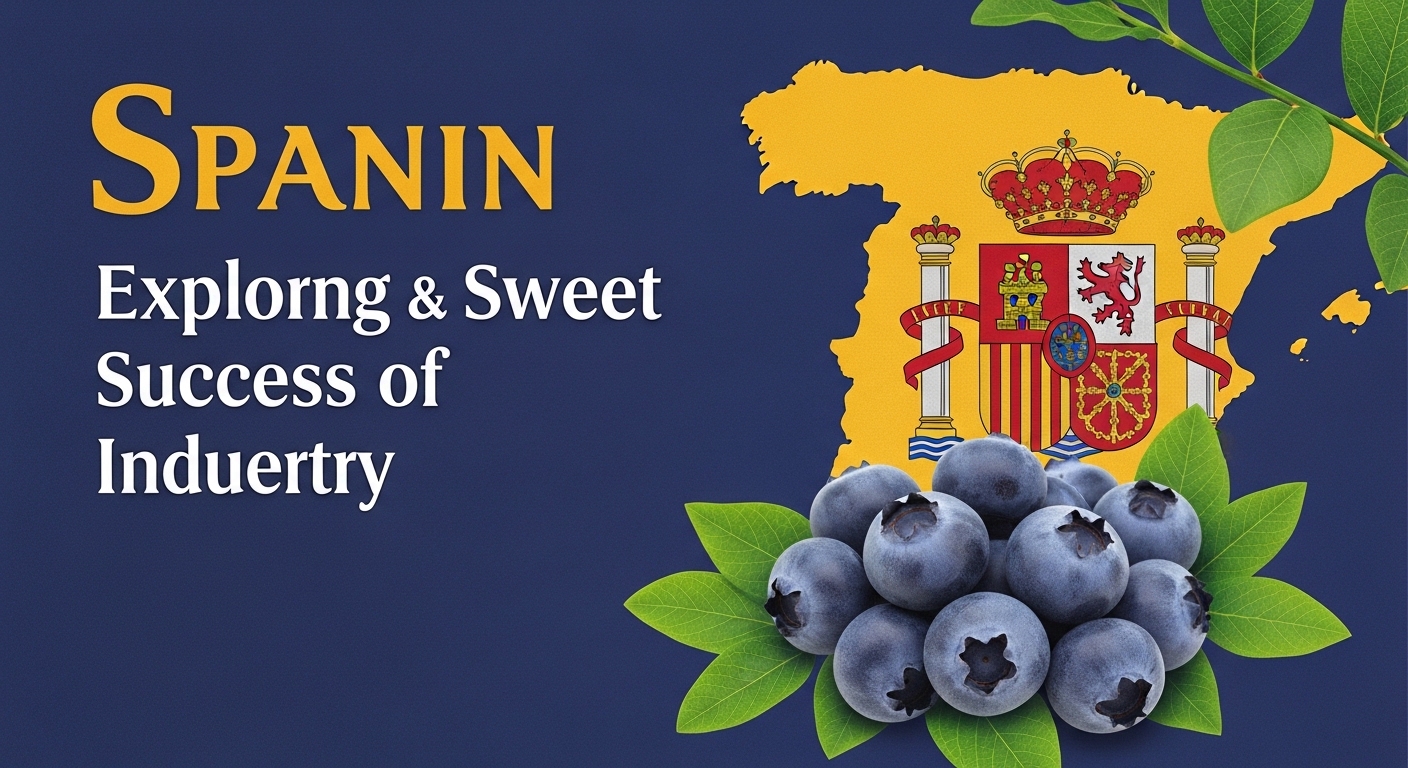
Spain blueberry cultivation has grown into a thriving agricultural sector, positioning the country as one of Europe’s leading blueberry producers. The combination of favorable climate, fertile soil, and advanced farming techniques allows Spain to produce high quality berries that are exported worldwide. Consumers increasingly recognize Spain blueberries for their sweetness, size, and freshness. Beyond taste, the fruit contributes to a healthy diet rich in antioxidants and essential nutrients. Understanding the production, varieties, and market trends of Spain blueberry offers insight into the factors driving its success in international and domestic markets.
Ideal Climate and Soil for Spain Blueberry Cultivation
The success of Spain blueberry farming relies heavily on optimal climatic and soil conditions. Southern and southeastern regions, such as Huelva and Murcia, provide mild winters and warm summers, which are ideal for blueberry growth. Sandy, well drained soils with adequate acidity promote healthy root development and nutrient absorption. Irrigation systems help maintain consistent moisture levels, crucial for fruit quality. By carefully selecting planting locations and soil types, growers in Spain ensure high yield and premium berry quality. The combination of climate, soil management, and proper farming practices has contributed to Spain blueberry becoming a competitive product in European markets.
Popular Varieties of Spain Blueberry
Spain blueberry farms cultivate several varieties suited to local conditions and market demand. Common types include Legacy, Bluecrop, and Elliott, each offering unique taste profiles, firmness, and harvest timing. Early season varieties allow Spain to supply fresh berries before other European producers, giving the country a competitive advantage. Growers select varieties based on climate compatibility, yield potential, and export requirements. This careful selection process ensures that consumers receive high quality, flavorful blueberries. Spain blueberries are recognized not only for their sweetness but also for their visual appeal, with deep blue color and uniform size contributing to their marketability.
Harvesting and Post Harvest Practices
Proper harvesting and post harvest handling are essential for maintaining Spain blueberry quality. Berries are typically handpicked to prevent damage and ensure only ripe fruits are collected. Immediate cooling through cold storage preserves freshness during transport and export. Controlled atmosphere storage further extends shelf life by reducing respiration and decay. Packaging is designed to protect the delicate fruit while appealing to consumers. These post harvest techniques allow Spain blueberries to reach domestic and international markets in optimal condition. Attention to careful harvesting and storage demonstrates the dedication of growers to maintaining the fruit’s quality, taste, and appearance.
Nutritional Benefits of Spain Blueberry
Spain blueberries are valued not only for their flavor but also for their health benefits. Rich in antioxidants, vitamins C and K, and dietary fiber, blueberries support immune function, cardiovascular health, and digestive wellness. The fruit’s natural compounds may reduce inflammation and improve cognitive function. Spain blueberry consumption is often promoted as part of a balanced diet that prioritizes fresh fruits and vegetables. The combination of sweet taste and nutritional value makes the berries appealing to health conscious consumers. Marketing campaigns often highlight these benefits, increasing demand in both European and international health food markets.
Export Market and Global Demand
Spain blueberry exports have grown steadily in recent years, with major markets including Germany, the United Kingdom, France, and Scandinavia. Early season production allows Spain to supply fresh berries before other major producers, giving it a competitive advantage. Efficient logistics and quality control ensure that the fruit arrives in excellent condition. Global demand for blueberries continues to rise due to increasing health awareness and year round availability. Spain blueberry farmers have adapted to meet this demand by scaling production, improving infrastructure, and focusing on high quality standards. This strong export presence has positioned Spain as a leading supplier in the European berry market.
Sustainable Farming Practices
Sustainability is increasingly important in Spain blueberry production. Growers implement water efficient irrigation, integrated pest management, and organic fertilization techniques to reduce environmental impact. Soil conservation and biodiversity initiatives support long term farm productivity. Sustainable practices not only benefit the environment but also enhance consumer confidence in Spain blueberries. Many farms are certified under international standards for responsible agriculture, which helps maintain export market access. By adopting eco friendly methods, Spain blueberry producers balance high yield with environmental stewardship, reflecting a modern approach to agriculture that meets both economic and ecological goals.
Technological Innovations in Spain Blueberry Farming
Spain blueberry growers utilize modern technologies to optimize productivity and quality. Precision agriculture tools, such as soil sensors and climate monitoring, provide real time data for irrigation and nutrient management. Drones and GPS mapping help assess plant health and identify areas needing attention. Automated sorting and grading systems ensure uniform berry size and color for export. These innovations increase efficiency, reduce waste, and maintain high standards for Spain blueberry production. By integrating technology into traditional farming practices, Spanish growers remain competitive in global markets while continuously improving yield, quality, and sustainability.
Challenges Facing Spain Blueberry Industry
Despite its growth, the Spain blueberry sector faces challenges including climate variability, labor availability, and market competition. Droughts or excessive rainfall can affect fruit quality and yield. Recruiting skilled seasonal workers for harvesting is increasingly difficult. Additionally, competition from countries like Morocco and Chile requires Spain to maintain high quality and innovative practices. Addressing these challenges involves investment in technology, workforce development, and sustainable water management. By tackling these obstacles proactively, Spain blueberry producers can secure long term success and strengthen their reputation as reliable suppliers of premium fresh berries.
Future Prospects of Spain Blueberry
The future of Spain blueberry looks promising as global demand for fresh fruit and healthy products continues to rise. Expansion of production areas, adoption of advanced farming techniques, and focus on export markets are expected to sustain growth. Consumer preference for high quality, nutritious fruit ensures continued interest in Spain blueberries. Investment in sustainable practices and technology will further enhance competitiveness and reduce environmental impact. As awareness of the fruit’s health benefits spreads, Spain blueberries are likely to maintain a strong presence in both European and international markets. The sector is well positioned for continued expansion and innovation.
Conclusion
Spain blueberry cultivation combines favorable climate, advanced farming techniques, and sustainability to produce high quality fruit. The industry benefits from early season varieties, nutritional appeal, and strong export demand. Technological integration and careful post harvest practices maintain fruit quality for domestic and international markets. While challenges such as climate variability and labor shortages exist, Spain blueberry producers continue to innovate and expand. With continued focus on quality, sustainability, and market growth, Spain blueberries are set to remain a leading and trusted choice for consumers seeking fresh, nutritious, and flavorful fruit.