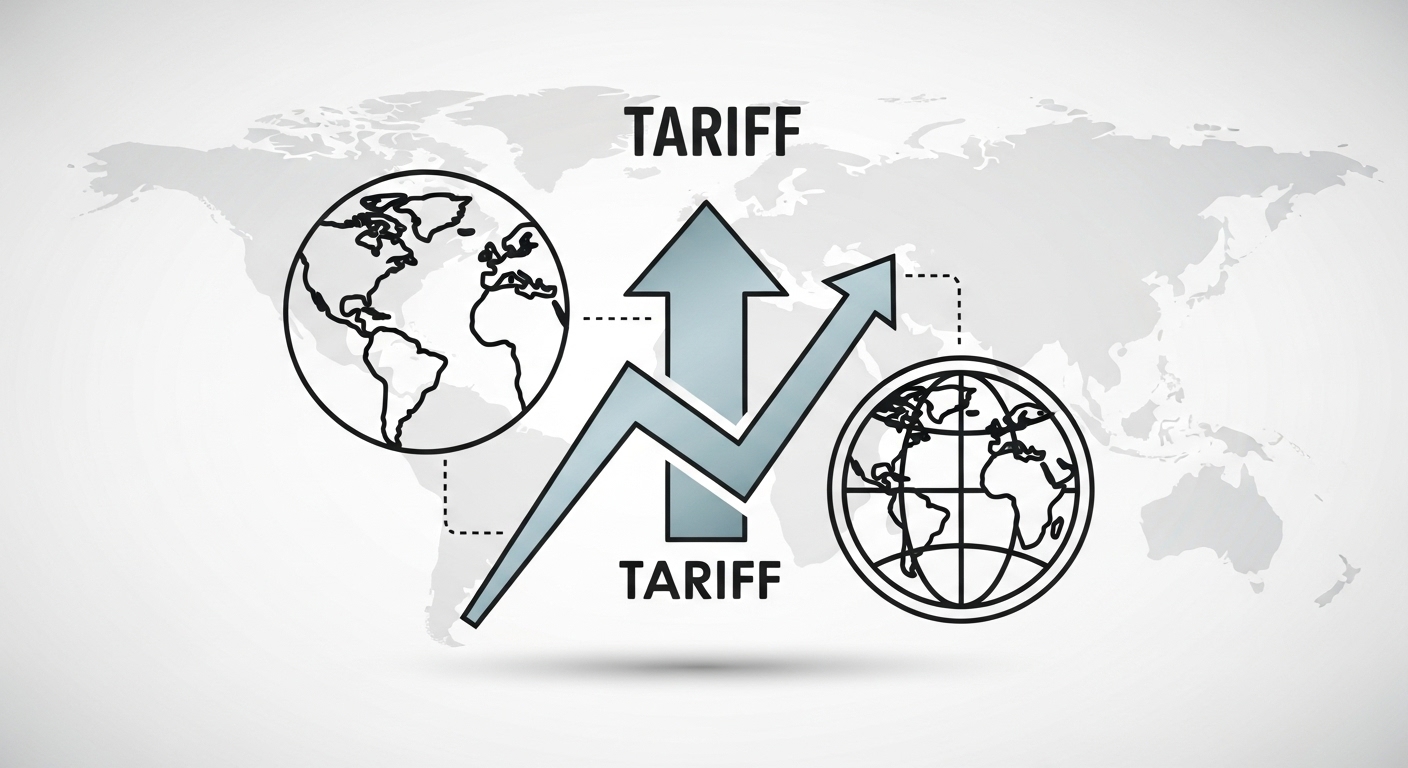
Tarrif is a fundamental concept in international trade that directly influences how countries exchange goods and services. As global markets become more interconnected, the importance of tarrif structures has grown significantly. Governments use tarrif policies to regulate imports, protect domestic industries, and generate revenue. Understanding how tarrif systems function provides valuable insight into economic strategies, trade relationships, and market dynamics across the world.
The Basic Concept of Tarrif
A tarrif refers to a tax or duty imposed on goods when they are imported or exported across national borders. The primary purpose of a tarrif is to increase the cost of foreign products, making locally produced goods more competitive. Tarrifs can vary depending on product type, country of origin, and trade agreements in place. By adjusting tarrif rates, governments can influence consumer behavior and control the flow of goods entering their markets.
Economic Impact of Tarrif Policies
Tarrif policies play a significant role in shaping national economies. By imposing tarrifs, governments can protect emerging or sensitive industries from international competition. This protection can support job creation and industrial growth in the short term. However, higher tarrifs may also lead to increased prices for consumers and businesses that rely on imported materials. The balance between protection and affordability is a central consideration in effective tarrif policy.
Tarrif and International Trade Relations
Tarrif decisions often extend beyond economics and into the realm of international diplomacy. Countries negotiate trade agreements to reduce or eliminate tarrifs, promoting smoother trade flows and stronger economic partnerships. Conversely, high tarrifs can lead to trade disputes or retaliatory measures between nations. As a result, tarrif structures are closely tied to political strategy and global cooperation.
Modern Challenges in Tarrif Implementation
In today’s globalized economy, implementing tarif policies has become increasingly complex. Supply chains often span multiple countries, making it difficult to determine how tarifs affect final product costs. Digital trade, e-commerce, and advanced manufacturing have further complicated traditional tarrif models. Governments must continuously adapt their tarif frameworks to reflect changing trade patterns and technological advancements.
The Future of Tarrif Systems
The future of tarif systems is likely to be shaped by globalization, sustainability goals, and evolving trade alliances. Many countries are exploring ways to modernize tarif structures to encourage fair trade, environmental responsibility, and economic resilience. As international cooperation increases, there may be a greater emphasis on transparent and balanced tarif policies that support both national interests and global stability.
Conclusion
Tarif remains a powerful tool in shaping economic policy and international trade. Its influence extends from domestic markets to global trade relationships, affecting businesses, consumers, and governments alike. By understanding the role and impact of tarif systems, stakeholders can better navigate the complexities of global commerce. As trade continues to evolve, thoughtful and adaptive tarif policies will remain essential for sustainable economic growth and international cooperation.