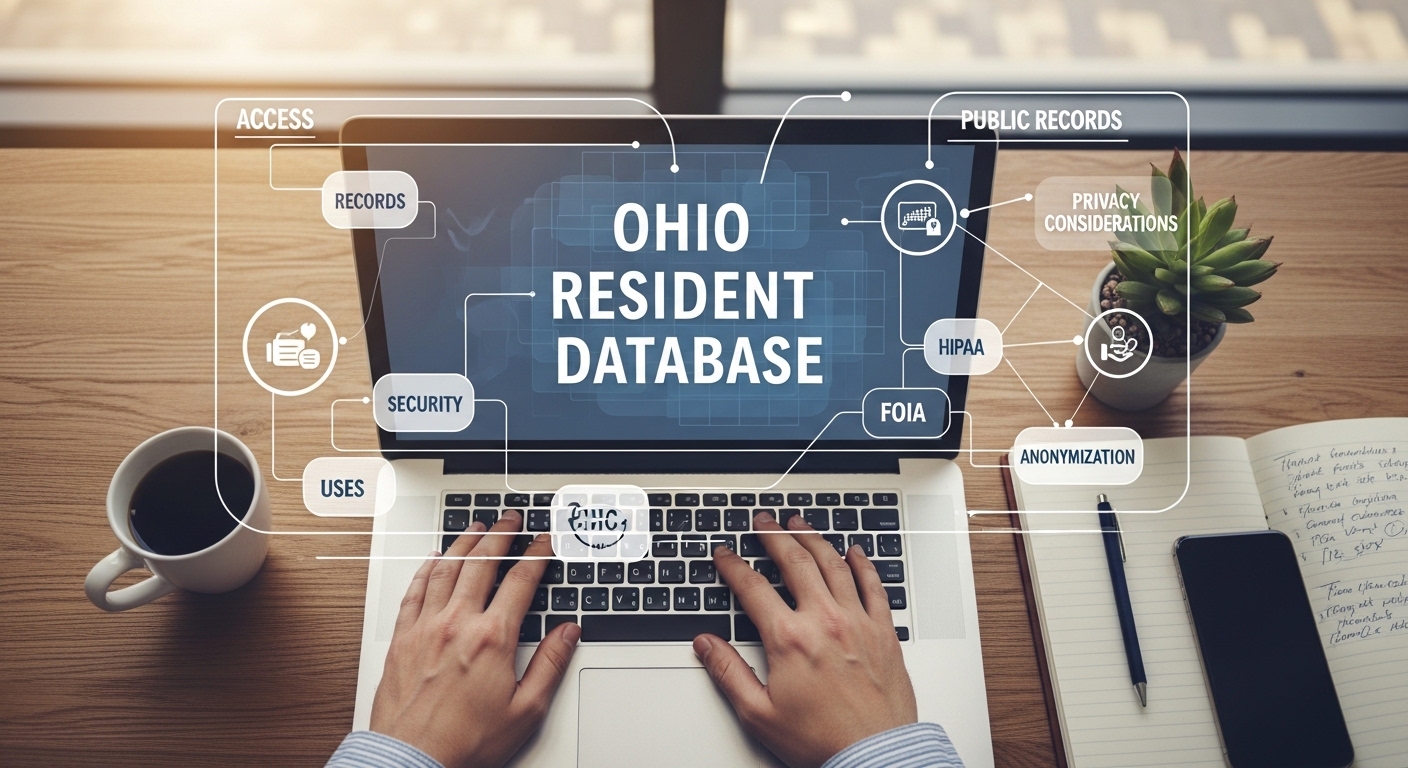
State databases play a crucial role in managing public records, supporting governance, and enabling services for residents. Among these, the ohio resident database provides comprehensive information about individuals living in the state, including addresses, voter registration details, and other public records. Access to such a database is often regulated to ensure both transparency and privacy. Understanding the purpose, applications, and limitations of the ohio resident database is essential for individuals, businesses, and government agencies. This knowledge allows responsible use while safeguarding sensitive information and complying with relevant laws and regulations.
What the Ohio Resident Database Contains
The ohio resident database typically contains information about residents such as names, addresses, voter registration status, and other publicly available records. The data is maintained by state agencies to ensure accuracy and accessibility for legal and administrative purposes. It can include historical addresses, household information, and occasionally phone numbers or email addresses linked to public records. The database does not usually contain sensitive personal identifiers such as social security numbers, which are protected under privacy laws. Understanding the types of information stored helps users navigate the database responsibly and prevents misuse of publicly available data.
Who Can Access the Database
Access to the ohio resident database is generally regulated by state laws. Government agencies, law enforcement, researchers, and authorized businesses may have legitimate access for official purposes. Some information may also be available to the public through formal requests or online portals, subject to specific restrictions. Individuals seeking personal data, such as verifying their voter registration or residency, can also access certain records. It is important to note that unauthorized access or attempts to misuse data can carry legal consequences. Knowing who is allowed to access the database ensures compliance and protects resident privacy.
Practical Uses for Residents
Residents may find the ohio resident database useful for verifying personal information, updating voter registration details, or confirming legal residency. It can also help individuals locate local government services, confirm property ownership, and maintain accurate records. For students, new residents, or professionals relocating to Ohio, consulting the database ensures that personal information is current and correct. Responsible use helps streamline interactions with state agencies and reduces administrative errors. By understanding these applications, residents can take advantage of the database while remaining aware of privacy implications and the appropriate channels for requesting updates.
Benefits for Businesses and Organizations
Businesses and organizations may also benefit from the ohio resident database when conducting demographic research, verifying addresses for deliveries, or ensuring compliance with state regulations. Marketing and outreach efforts can be more targeted when using accurate public records, although care must be taken to respect privacy laws. Service providers, utility companies, and local institutions may rely on the database to confirm residency and maintain accurate client records. Understanding the proper use of the database enables businesses to operate efficiently while avoiding violations related to the misuse of personal information.
Government and Administrative Applications
The ohio resident database serves a critical role for government operations, including voter registration, tax collection, and census data management. Agencies use the information to verify residency, allocate resources, and plan community services. Accurate and up-to-date records ensure smooth administration of elections, social programs, and public safety measures. Maintaining a reliable database also helps identify trends and make informed policy decisions. Government use underscores the importance of accuracy and security, highlighting the balance between transparency and resident privacy in managing large-scale public data.
Privacy and Security Considerations
Protecting the information contained in the ohio resident database is essential to prevent identity theft, fraud, or unauthorized access. State laws and security protocols are in place to safeguard data, restricting sensitive details to authorized personnel. Public access is typically limited to non-confidential information to ensure safety. Residents should also be aware of their rights to review and correct personal information. Organizations and individuals accessing the database must comply with privacy regulations and ethical standards. Understanding security considerations helps protect residents while allowing responsible use of public records for legitimate purposes.
How to Update Information in the Database
Residents can update their information in the ohio resident database through official state portals or local government offices. This may include changes to addresses, contact details, or voter registration status. Timely updates ensure accuracy and prevent administrative errors, such as misdirected mail or incorrect voter records. Certain updates may require official documentation or identification verification to confirm changes. Proactively managing personal information maintains integrity in the database and facilitates interactions with government agencies. Understanding the process for updating records is an important aspect of responsible database use for all Ohio residents.
Limitations of the Database
While the ohio resident database is a valuable resource, it has limitations. Not all personal information is available, and access may be restricted for legal or privacy reasons. Data may also have occasional errors or delays in updates, which can affect accuracy. The database should not be relied upon as the sole source of information for legal or commercial decisions. Users must verify details independently and follow proper procedures when using the data. Recognizing these limitations ensures responsible engagement and prevents potential misuse or misinterpretation of the information contained in the database.
Future Developments and Accessibility
The ohio resident database continues to evolve with technology, offering improved access through online portals and integrated government systems. Efforts to enhance security, update records in real time, and provide user-friendly interfaces aim to make the database more reliable and accessible. Future developments may include better tools for residents to monitor their information, increased transparency for public access, and enhanced safeguards against unauthorized use. Staying informed about these advancements helps residents and organizations benefit from the database while ensuring compliance with privacy and legal standards.
Conclusion
The ohio resident database is a vital tool for residents, businesses, and government agencies, providing accurate and accessible public records. Understanding its contents, access rules, practical uses, and limitations allows responsible engagement while protecting privacy. Whether updating personal information, verifying residency, or conducting demographic research, proper use of the database supports efficiency and transparency. Maintaining awareness of security measures, legal guidelines, and procedural updates ensures that the ohio resident database remains a trusted and valuable resource for the state’s population and institutions alike.